Metabolic Research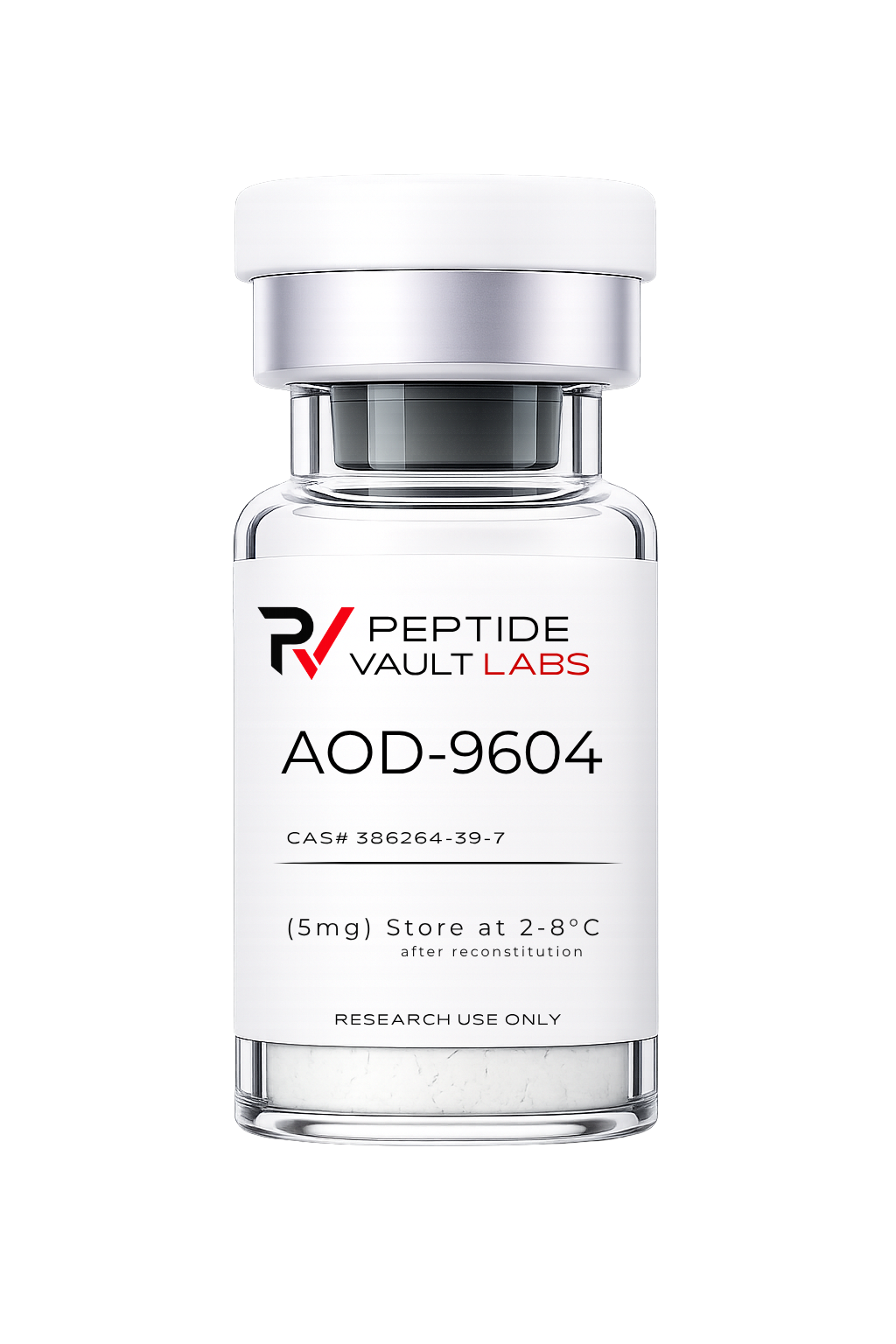
AOD-9604
hGH Fragment 176-191
Primary research target
Modified growth-hormone fragment investigated primarily in adipose-tissue and lipid-metabolism research.

Peptide Vault Labs
Educational research reference
Quickly explore what each compound is primarily studied for, including its main research category and scientific area of interest.
Research compounds
26
Research categories
8
Research reference only
Educational
This library summarizes published scientific and regulatory information. It is not medical advice and does not provide instructions for human or veterinary use.
Browse by category
Research index
26 compounds
hGH Fragment 176-191
Primary research target
Modified growth-hormone fragment investigated primarily in adipose-tissue and lipid-metabolism research.
Loading
Body Protection Compound 157
Primary research target
Studied predominantly in preclinical gastrointestinal, vascular, tendon, ligament, wound, and tissue-repair models.
Loading
Thymosin Beta-4 Fragment
Primary research target
Investigated in relation to actin regulation, cell migration, angiogenesis, inflammation, and tissue-repair pathways.
Loading
BPC/TB Blend
Primary research target
Combination research material indexed to the separate preclinical literature for BPC-157 and thymosin beta-4-related fragments.
Loading
Modified GRF 1-29
Primary research target
GHRH-receptor agonist research focused on pulsatile growth-hormone signaling and endocrine pharmacology.
Loading
NNC 26-0161
Primary research target
Selective ghrelin-receptor agonist investigated in growth-hormone secretion and endocrine signaling research.
Loading
CJC/IPA
Primary research target
Combination research material involving GHRH-receptor and ghrelin-receptor signaling.
Loading
TH9507
Primary research target
Stabilized GHRH analog with established clinical and regulatory literature involving growth-hormone-axis pharmacology.
Loading
Mitochondrial Open Reading Frame of the 12S rRNA-c
Primary research target
Mitochondrial-derived peptide studied in metabolic homeostasis, cellular stress response, glucose biology, and aging models.
Loading
Copper Tripeptide-1
Primary research target
Copper-binding tripeptide investigated in extracellular-matrix remodeling, wound biology, skin, hair, and gene-expression research.
Loading
TP-7
Primary research target
Synthetic neuroactive peptide investigated in stress, anxiety-related behavior, cognition, and immune-neural signaling.
Loading
ACTH(4-7)-Pro-Gly-Pro
Primary research target
ACTH-derived peptide investigated in neuroprotection, cognition, ischemia models, and neurotrophic signaling.
Loading
Bremelanotide
Primary research target
Melanocortin-receptor agonist with established human pharmacology and reproductive-signaling research.
Loading
OXT
Primary research target
Endogenous neuropeptide studied in uterine physiology, lactation, social signaling, behavior, and central nervous-system research.
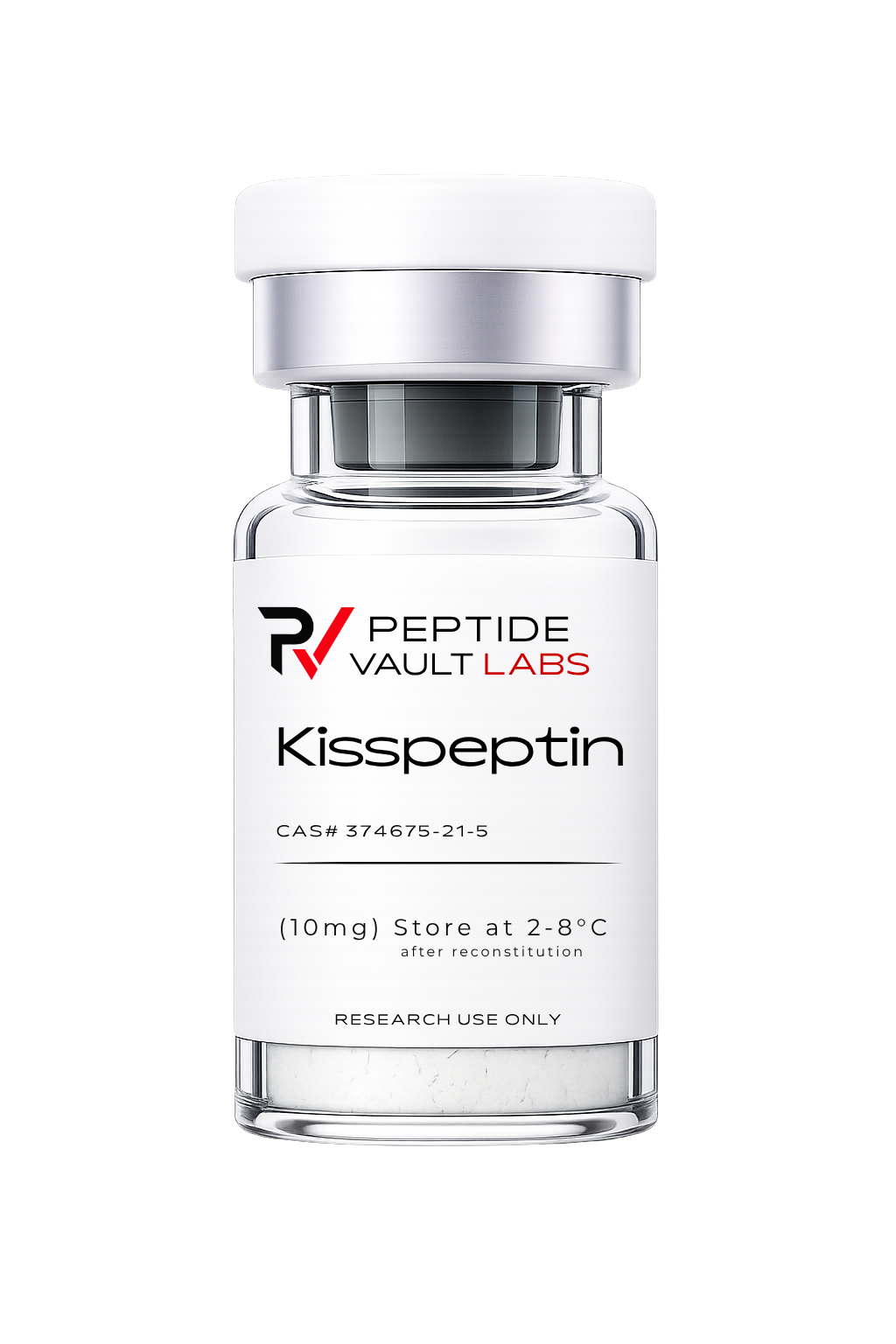
Kisspeptin-10
Primary research target
Investigated as an upstream regulator of GnRH signaling, reproductive endocrinology, puberty, fertility, and hypothalamic biology.
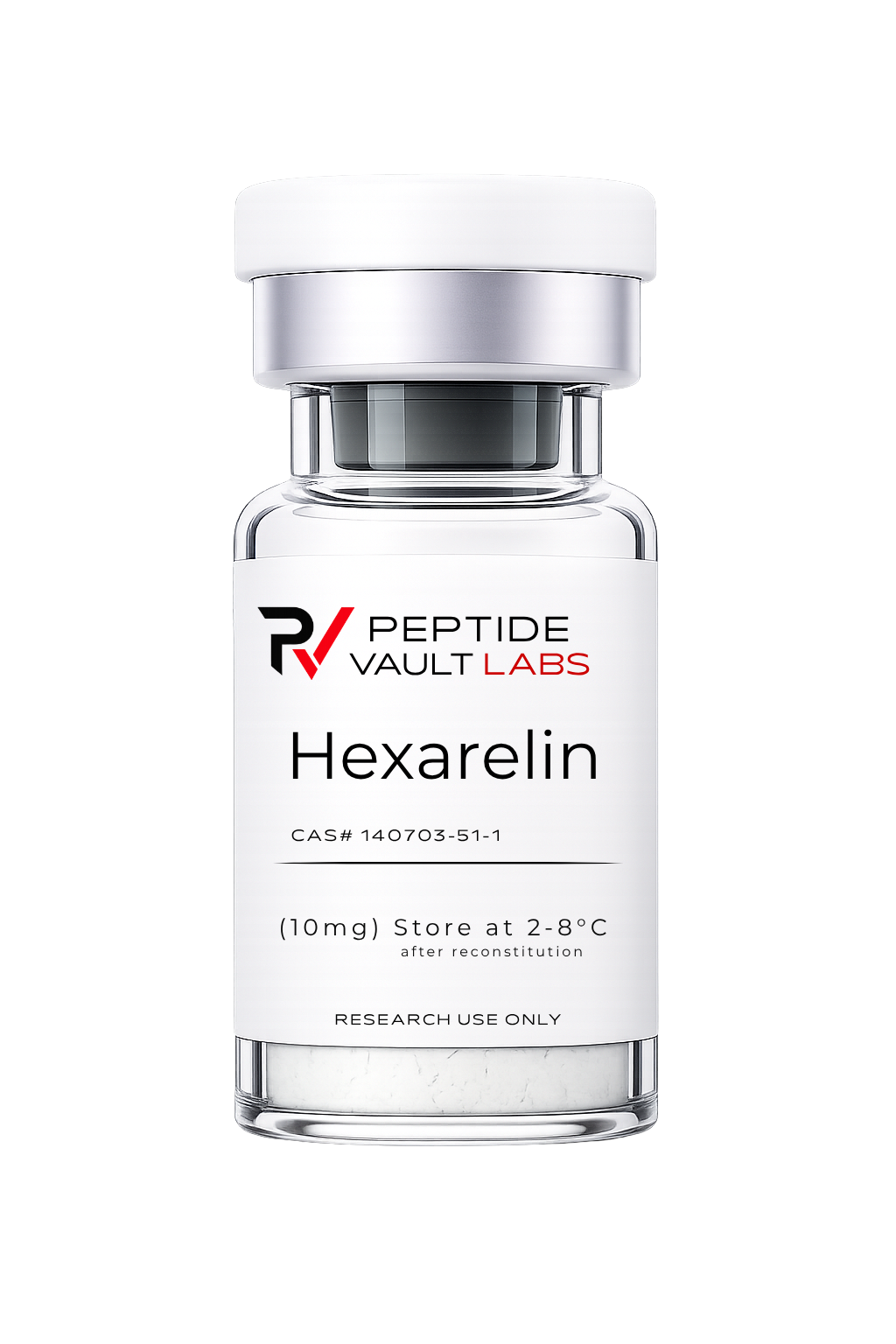
Examorelin
Primary research target
Potent ghrelin-receptor agonist investigated in growth-hormone secretion and cardiovascular and endocrine models.
Loading
AM833
Primary research target
Investigational long-acting amylin analog studied in appetite, body-weight, metabolic, and combination-therapy trials.
Loading
Nicotinamide Adenine Dinucleotide
Primary research target
Essential redox cofactor studied in cellular energy metabolism, mitochondrial biology, DNA repair, and enzymatic signaling.
Loading
Reduced Glutathione
Primary research target
Tripeptide redox molecule studied in antioxidant systems, detoxification pathways, oxidative stress, and cellular homeostasis.
Loading
Thymalfasin
Primary research target
Immune-modulating peptide investigated in T-cell biology, innate immunity, infection, inflammation, and oncology-support research.
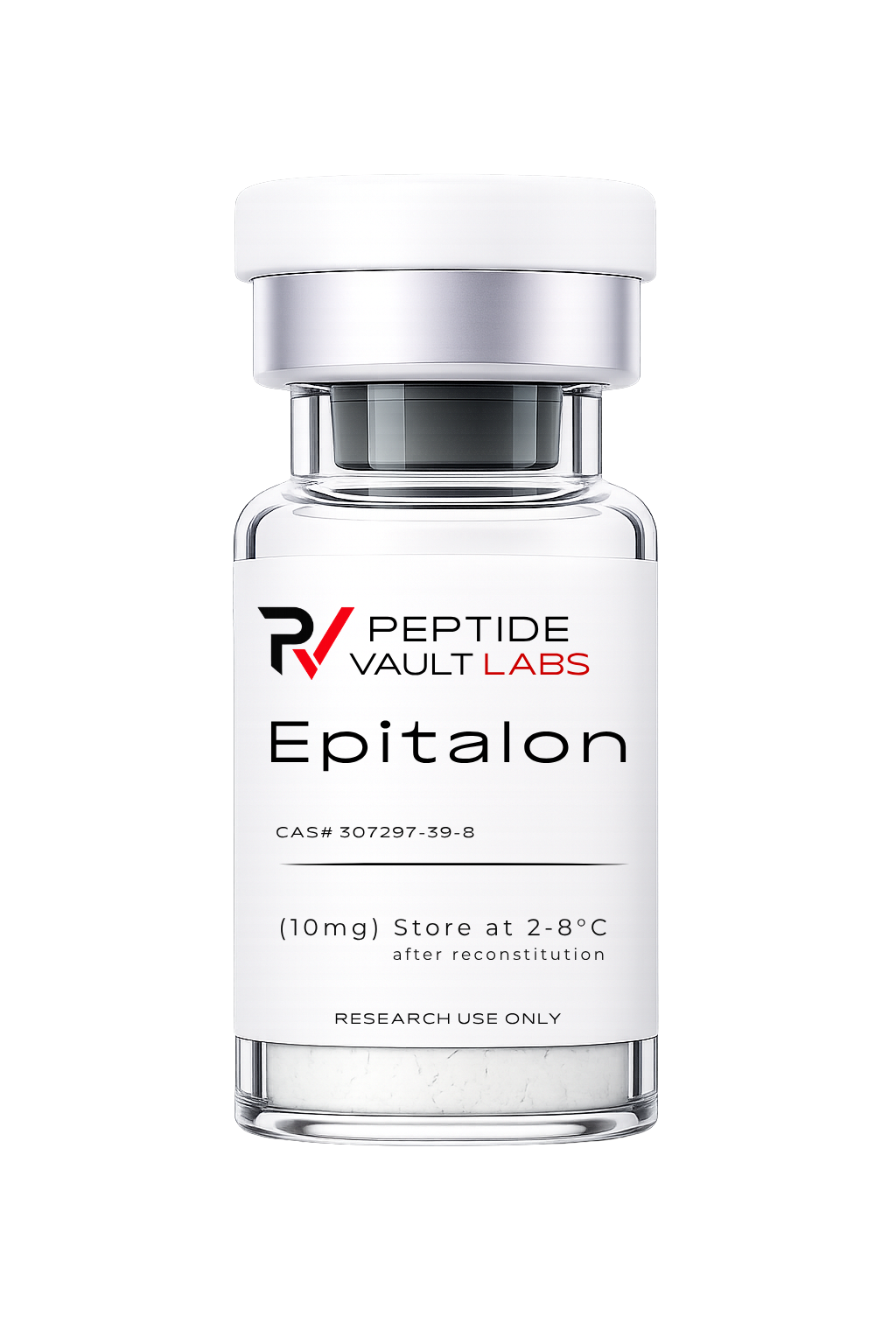
Epithalon
Primary research target
Tetrapeptide studied primarily in aging, pineal, circadian, telomere, and longevity-related experimental literature.
Loading
MT-2
Primary research target
Synthetic melanocortin analog investigated in pigmentation, appetite, sexual-function, and melanocortin-receptor research.
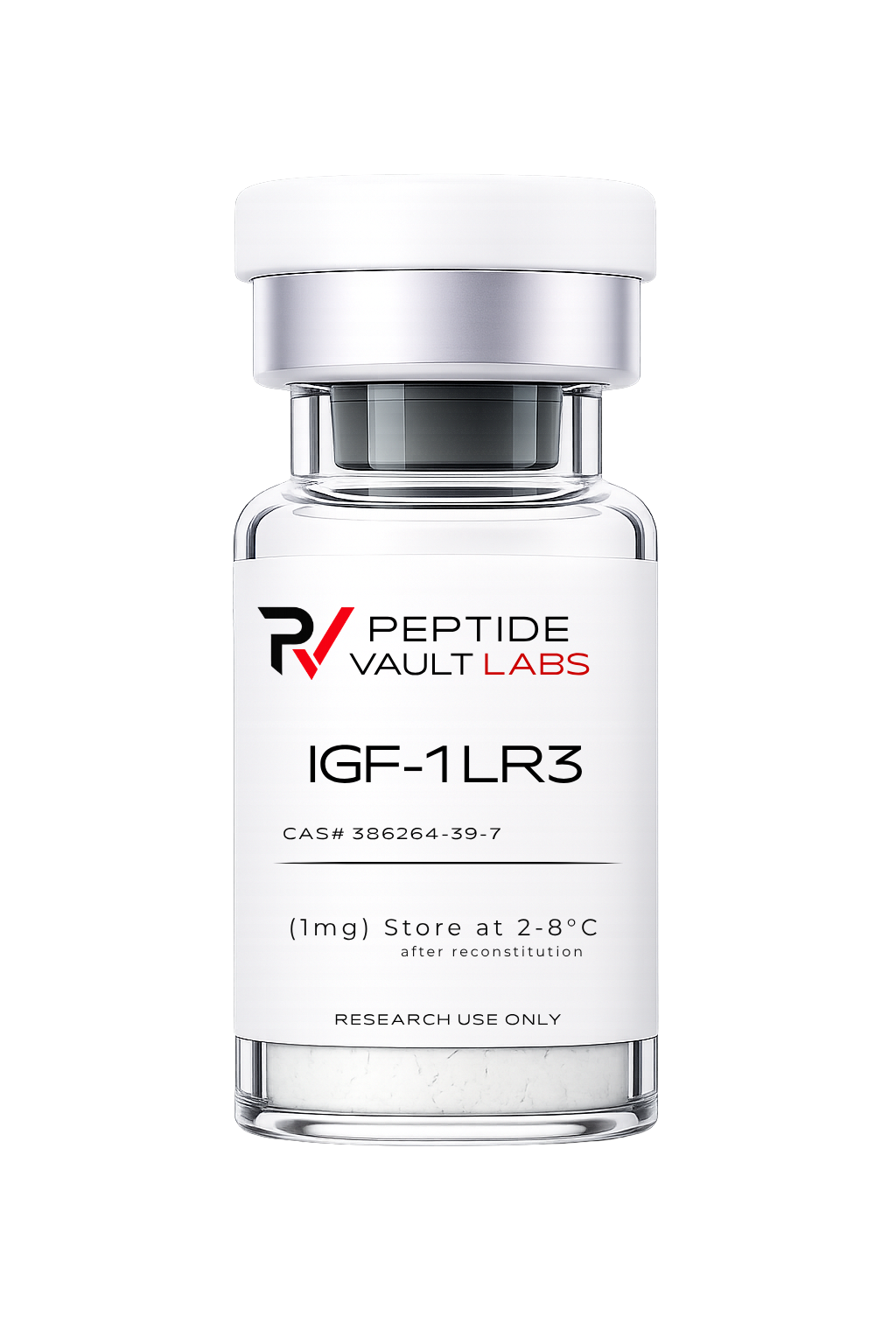
Long R3 IGF-1
Primary research target
Modified IGF-1 analog investigated in receptor signaling, cell growth, protein synthesis, and prolonged IGF-binding-protein resistance.
Loading
Investigational Triple-Agonist Research Material
Primary research target
Investigational metabolic research material associated with GLP-1, GIP, and glucagon-receptor agonist research.
Loading
Copper Peptide Research Blend
Primary research target
Combination research material whose evidence must be evaluated component by component rather than as a single established pharmacological entity.
Loading
Multi-Component Research Blend
Primary research target
Multi-component research material requiring separate evaluation of each ingredient, interaction, analytical identity, and stability profile.
Each profile focuses on the compound's primary research area, common scientific interest, and a concise educational overview. No human dosing, administration, or treatment instructions are provided.
Editorial standards
Each profile is structured to separate established facts, limited human evidence, preclinical findings, analytical information, and unresolved questions.
Regulatory labels, clinical trials, peer-reviewed publications, and recognized scientific databases are prioritized over reseller summaries.
Human clinical findings are not presented as equivalent to animal, cellular, analytical, or theoretical research.
Unknown, conflicting, or estimated values are identified rather than converted into false certainty.
Important notice
The Peptide Vault Labs Research Library is provided solely for educational, analytical, and laboratory research reference. Content does not diagnose, treat, cure, or prevent disease and must not be interpreted as prescribing, dosing, administration, reconstitution-for-use, or patient-care guidance. Experimental findings—especially animal, cell, and in vitro findings—do not establish safety or efficacy in humans. Researchers must use validated institutional protocols, applicable laws, safety data sheets, certificates of analysis, and qualified laboratory oversight.